- Summary
- Okay, this is a massive list of keywords and phrases! It seems like you're building a resource or content strategy around real estate, automotive, travel, and general online shopping.
Here's a breakdown of what I see and some thoughts on how to approach this data:
1. Categories & Themes:
* Real Estate: This is the dominant category, with a huge amount of focus on buying, selling, renting, and investing in properties, particularly in Madrid, Spain. Key terms include "Pisos," "Inmobiliaria," "Propiedades," "Reformas," "Rehabilitación," and specific property types like "Luxury Apartments."
* Automotive: Significant keywords related to buying and selling cars and trucks, including "Coches," "Camiones," "Seguros de Coches," "Recambios de coche," "Vehículos Industriales."
* Travel: Focused on travel destinations (Spain, Asia), types of trips (Vacations, Tours), and accommodation (Vacation Rentals, Vacation APT).
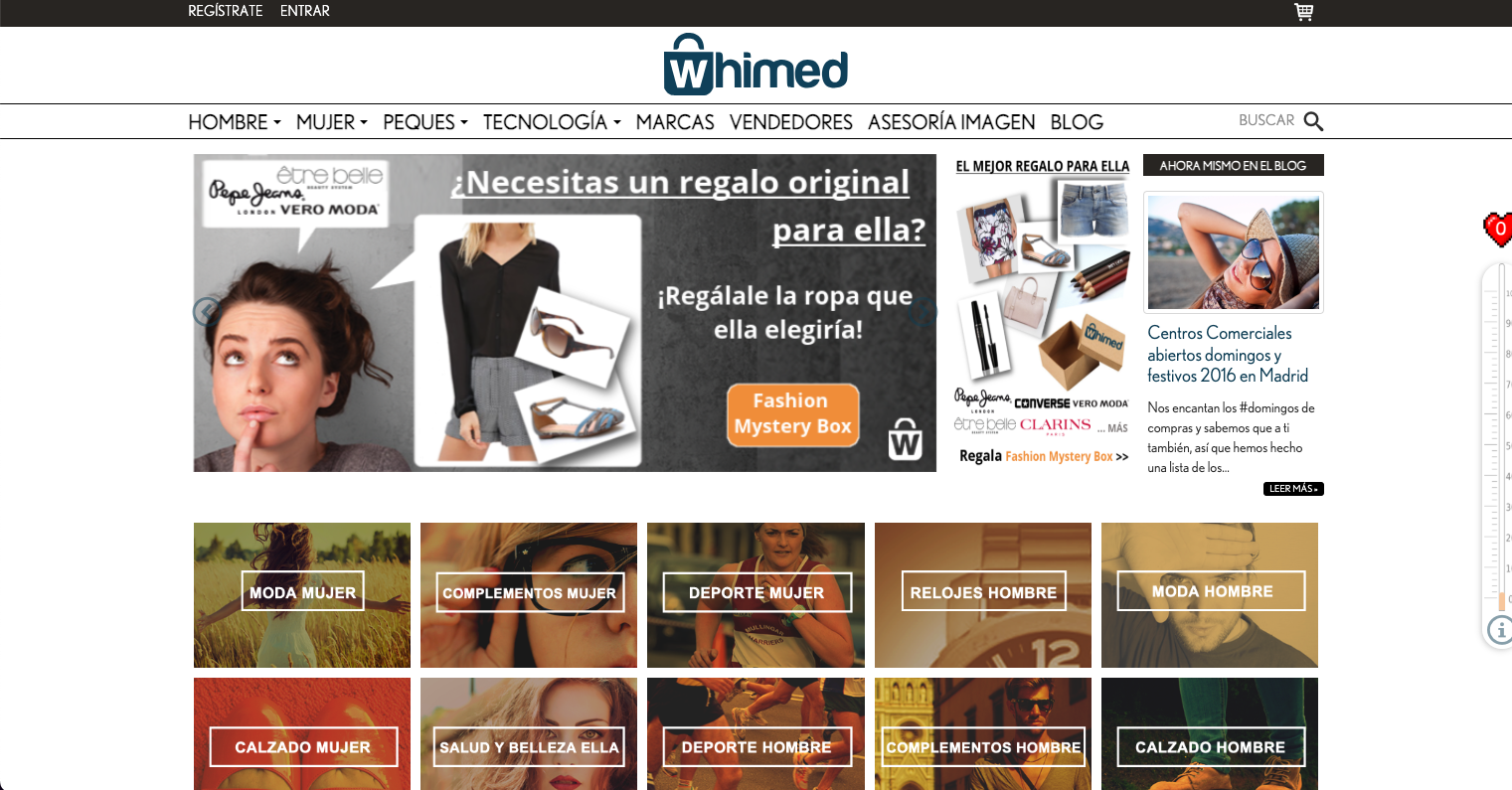
* Online Shopping: Includes terms for online stores, discounted items ("Low Cost"), and product categories (Electronics, Shoes, Clothing).
* Artificial Intelligence (AI): A growing set of keywords related to AI tools, directories, influencers, and applications.
* General Marketing & Brand: Phrases like "Shop Tienda," "Submit New AI," "Tienda Black Friday" – indicating an effort to attract users to a platform or marketplace.
2. Observations & Potential Use Cases:
* SEO (Search Engine Optimization): This list is incredibly valuable for SEO. You can use these keywords to optimize website content, blog posts, and meta descriptions to rank higher in search engine results.
* PPC (Pay-Per-Click) Advertising: These keywords can be used to target specific audiences with paid advertising campaigns on platforms like Google Ads or social media.
* Content Creation: This list provides a wealth of ideas for blog posts, articles, videos, and other content formats. You can create content that addresses specific user queries and interests.
* Market Research: Analyzing the frequency and related terms can give you insights into what people are actively searching for.
* Competitor Analysis: Identifying which keywords your competitors are targeting can help you understand their strategies and identify opportunities to differentiate yourself.
3. Considerations and Next Steps:
* Context is Crucial: This is a *list* of keywords. To really make it useful, you need to understand *why* these terms are being used. What problems are people trying to solve? What questions are they asking?
* Keyword Research Tools: I strongly recommend using dedicated keyword research tools (like SEMrush, Ahrefs, Google Keyword Planner, Moz Keyword Explorer) to:
* Determine Search Volume: Find out how many people are actually searching for these terms each month.
* Identify Related Keywords: Discover additional terms that people might be using to find similar products or services.
* Analyze Competition: See how difficult it is to rank for these keywords.
* Grouping & Categorization: Group the keywords into more granular categories. For example, instead of just “Vehículos,” you could have categories like “Coches Nuevos,” “Coches Usados,” “Camiones,” “Motocicletas.”
* Intent: Understand the *intent* behind each keyword. Is someone looking to buy, research, compare, or simply learn?
To help me give you even more targeted advice, could you tell me:
* What is the *purpose* of collecting this list of keywords? (e.g., building a website, running an advertising campaign, creating a content strategy?)
* What is your primary focus or industry? (e.g., real estate, automotive, travel, or a combination?) - Title
- Business Mail – Professional Secure Email Address
- Description
- Business Mail – Professional Secure Email Address
- Keywords
- madrid, tools, estate, real, sale, directory, tool, luxury, intelligence, best, property, european, properties, personal, home, sell, agency
- Dates
-
Created 2026-02-07Updated 2026-02-09Summarized 2026-03-10
Screenshot
Query time: 6098 ms