Tactic Links - Organic Traffic Booster - Home
|
Path: Home > List > Load (dnsleaktest.com) |
Home | About | List | Rankings | Search | Submit |
| domain | dnsleaktest.com |
| summary | Here’s a summary of the website content on DNS leaks and how to fix them: What is a DNS Leak? A DNS leak occurs when your DNS requests are not being routed through your VPN or proxy server. Instead, they’re going directly to your Internet Service Provider (ISP), revealing your actual location and the websites you’re visiting, even when connected to a VPN. This defeats the purpose of using a VPN, as your activity isn’t truly hidden. How to Fix a DNS Leak The website likely details several methods to fix a DNS leak, including: * Changing DNS Servers within your VPN: Many VPNs allow you to manually select different DNS servers. Using the VPN's own DNS servers is usually the most effective solution. * Using a DNS Leak Test: Tools are provided to verify if a leak is present. * Configuring DNS settings on your device: (Windows, macOS, Android, iOS) – Manually setting DNS servers to public, trusted DNS providers like Google DNS (8.8.8.8 and 8.8.4.4) or Cloudflare DNS (1.1.1.1 and 1.0.0.1). * Checking your router’s DNS settings: (If applicable) – Some routers allow you to configure DNS settings that apply to all devices connected to the network. Note: *This summary is based on typical content found on websites discussing DNS leaks. The exact details and instructions would depend on the specific website’s content.* |
| title | DNS leak test |
| description | DNS leak test |
| keywords | leak, open, main, menu, test, hello, barcelona, spain, difference, privacy, policy, limited |
| upstreams | |
| downstreams | |
| nslookup | A 23.239.16.110 |
| created | 2025-11-09 |
| updated | 2026-02-01 |
| summarized | 2026-02-02 |
|
HIGHSPOTS | |
 tacticlinks.com | |
 bytemux.io | |
 shuken.io | |
 twinllamas.ai | |
 lhapsus.xyz | |
 whimed.com | |
 3e9.me | |
 greenpeace.org | |
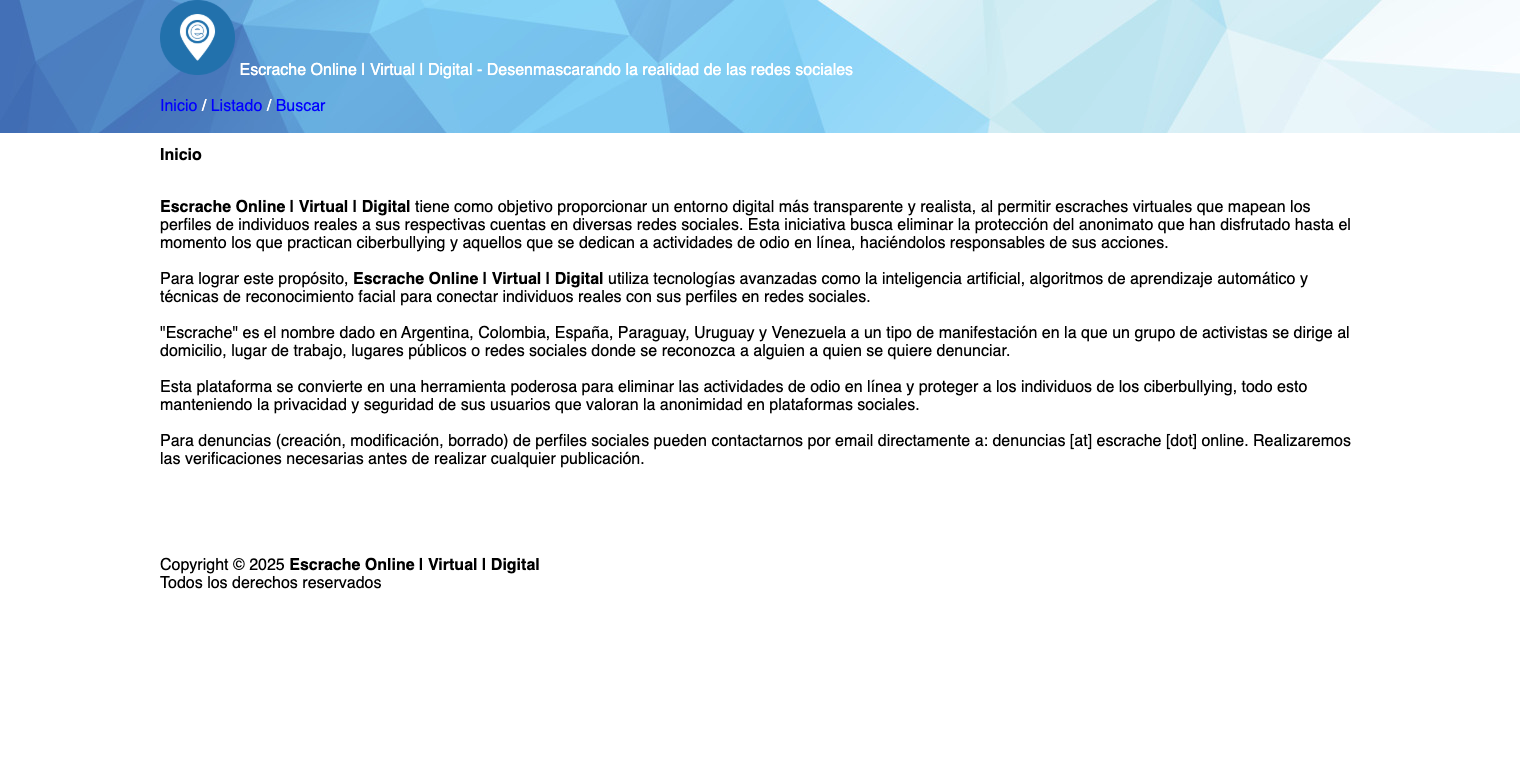 escrache.org |
Traffic Boost by Tactic Links
[took: 462 ms]