- Summary
- Global food supply chains face increasing regulatory pressure as new food safety standards require stricter control over animal diseases and hygiene. This shift necessitates advanced technologies like real-time tracking systems to monitor perishable goods efficiently. Companies must integrate digital tools for better inventory management to prevent spoilage while minimizing waste in logistics and storage. The focus is also on developing circular economy models, encouraging reuse and recycling of raw materials to reduce environmental impact. Stakeholders must collaborate to create a competitive environment where innovation drives productivity and customer satisfaction across all sectors of the industry. Furthermore, strict compliance with food law ensures that consumers receive safe products and protects public health globally. Businesses are increasingly prioritizing transparency and ethical sourcing to build trust within the market. These interconnected challenges require a strategic approach to manage risks, optimize resources, and advance sustainable development for tomorrow's food systems.
- Title
- Home page
- Description
- Home page
- Keywords
- people, post, schubert, innovation, handel, marketing, newsletter, tools, interview, april, management, back, sweets, snacks, catering, barth, schweiz
- NS Lookup
- A 217.26.53.218
- Dates
-
Created 2026-03-14Updated 2026-04-14Summarized 2026-04-14
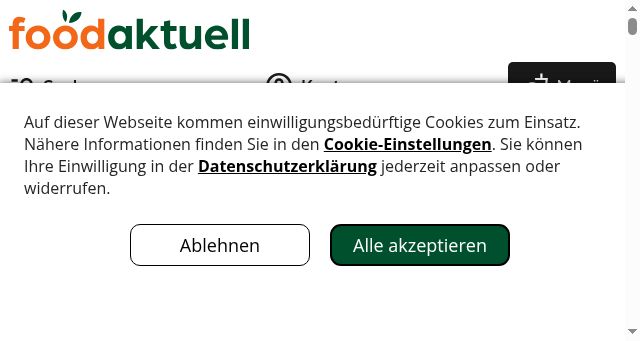
Screenshot
Query time: 1729 ms