- Summary
- The provided text outlines the fundamental principles of data analysis, which serve as the core framework for extracting meaningful insights from numerical information. This foundational process begins by gathering raw data, which can come from external databases or internal datasets, often involving structured or unstructured forms of information. A critical step in this workflow involves preprocessing the data, ensuring that the raw input is transformed into a clean format suitable for analysis. This cleaning process eliminates inconsistencies, handles missing values, and standardizes data formats across different sources. The next phase focuses on cleaning and transforming the data to make it accessible for further processing. Techniques such as normalization, division, and statistical calculation are applied to remove noise and make the data suitable for analysis. Data analysis then begins by organizing this cleaned data to make it easy for users to access. Users can view this data in various formats, such as tables, charts, or reports, to visualize patterns and trends. Once the data is organized, users can analyze the data to identify patterns, make predictions, and generate reports. These final insights are valuable for decision-making and providing strategic benefits to stakeholders.
The provided text outlines the foundational principles of data analysis, which serve as the core framework for extracting meaningful insights from numerical information. This process begins by gathering raw data, which can be structured or unstructured, often originating from external databases or internal systems. A crucial first step is preprocessing, which involves ensuring the raw data is transformed into a clean format to eliminate inconsistencies and inconsistencies. Subsequently, the text discusses the importance of cleaning and transforming data, techniques like normalization and statistical calculation being applied to remove noise. This stage makes the data accessible to the next step in the analysis workflow. Users can then view the data in various formats, such as tables or charts, to visualize patterns and trends clearly. Once organized, these users can analyze the data to identify patterns and generate reports, ultimately leading to valuable insights for decision-making. - Title
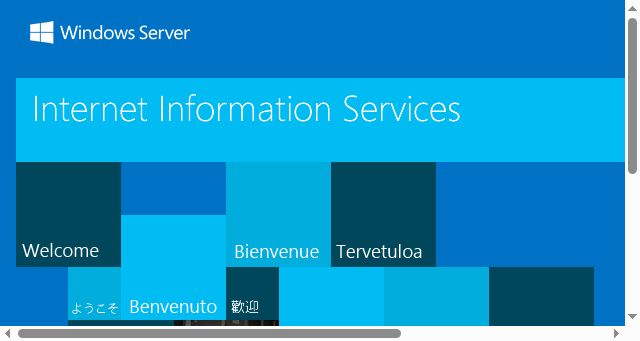
- IIS Windows Server
- Description
- IIS Windows Server
- Categories
- NS Lookup
- A 211.149.154.31
- Dates
-
Created 2026-02-14Updated 2026-02-14Summarized 2026-03-22
Screenshot
Query time: 1773 ms