- Summary
- Brewing lambic is a unique process involving a slow fermentation of young grape must in the absence of oxygen in the cellar, resulting in the characteristic sourness and yeast-like body of the wine. This fermentation typically takes 24 to 48 hours, followed by a slow maturation process in the cellar, where the temperature is maintained around 6 to 10°C and the pH level remains slightly acidic. During the maturation phase, the yeast cells decompose complex sugars into smaller sugars, releasing acids while producing esters and alcohols that contribute to the wine's flavor profile. These secondary products give lambic its distinct taste, ranging from a crisp minerality to a fruity profile, depending on the source grapes and environmental conditions. The primary goal of this slow aging process is to develop complex flavors and aroma, allowing the wine to age for decades in the absence of oxygen. This long-term preservation transforms fresh fruit juice into a rich, full-bodied dessert wine suitable for various occasions, offering a distinct character that is not found in traditional sparkling wines. Lambic is often enjoyed over several days, with visitors tasting the wine at different stages of its evolution to appreciate its evolving complexity and flavor development.
The brewing process is divided into distinct stages where each phase significantly shapes the final wine's characteristics. The initial stage begins with the extraction of grapes, followed by the addition of a liquid starter (sulfuric acid) to initiate fermentation. The wine must be carefully monitored for temperature control, typically kept between 10 and 15 degrees Celsius, to ensure the yeast works within an aerobic environment suitable for the fermentation process to begin. As fermentation progresses, the liquid becomes cloudy and cloudy due to the formation of bubbles from the yeast cells. During the maturation phase, the temperature drops to roughly 6 to 10 degrees Celsius, often in a dark, shaded cellar where oxygen levels are kept below 1.0%. This controlled atmosphere allows for the slow chemical breakdown of sugars into esters, creating the aromatic complexity that defines lambic. The pH of the liquid is monitored to maintain a low acidity level, which enhances the balance of flavor, ensuring that the wine remains balanced without being sharp or astringent. Through careful temperature regulation and atmospheric control, the wine slowly develops its unique nose and taste profile, making lambic a wine with a fascinating evolution that highlights the role of time and preservation in transforming simple grape juice into a sophisticated beverage. - Title
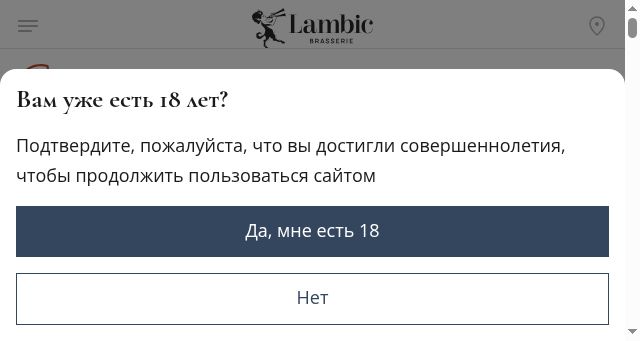
- Brasserie Lambic beer restaurants in Moscow
- Description
- Chain of beer restaurants Brasserie Lambic. Large selection of beer. Business lunches. Discounts and promotions apply. ➤Book a table.
- Keywords
- brasserie, club, english, android
- Categories
- NS Lookup
- A 84.201.185.213
- Dates
-
Created 2026-03-09Updated 2026-04-13Summarized 2026-04-14
Screenshot
Query time: 2736 ms